Intersectional discrimination: when gender and origin combine
The concept of intersectionality, developed by Kimberlé Crenshaw at the end of the 1980s, describes how several forms of discrimination are superimposed and reinforced. For a young woman with an immigration background, it is not just one discrimination but often two or three: gender, origin, and sometimes religion or place of life.
In France, The unemployment rate among immigrants is 11.2% , compared to 6.4% for people without migratory ancestry. Among immigrants from outside the EU, The gap in the participation rate between men and women reached 19 points . As a mirror, the overall unemployment rate for women in France is around 7.2%, slightly lower than that of men (7.7%). (Sources: Continuous employment survey, INSEE 2024, via the Ministry of the Interior — DGEF)
These numbers represent stalled careers, unrecognized degrees and applications that were rejected because of a first name, address or appearance. Beyond the labor market, these women often face other vulnerabilities: restricted access to health services, risks of financial exploitation, reduced mobility, discrimination within their communities. Economic autonomy is not only a question of pay: it is also a question of freedom and dignity.
Economic autonomy, a pillar of emancipation: the echo of the UN 2026 theme
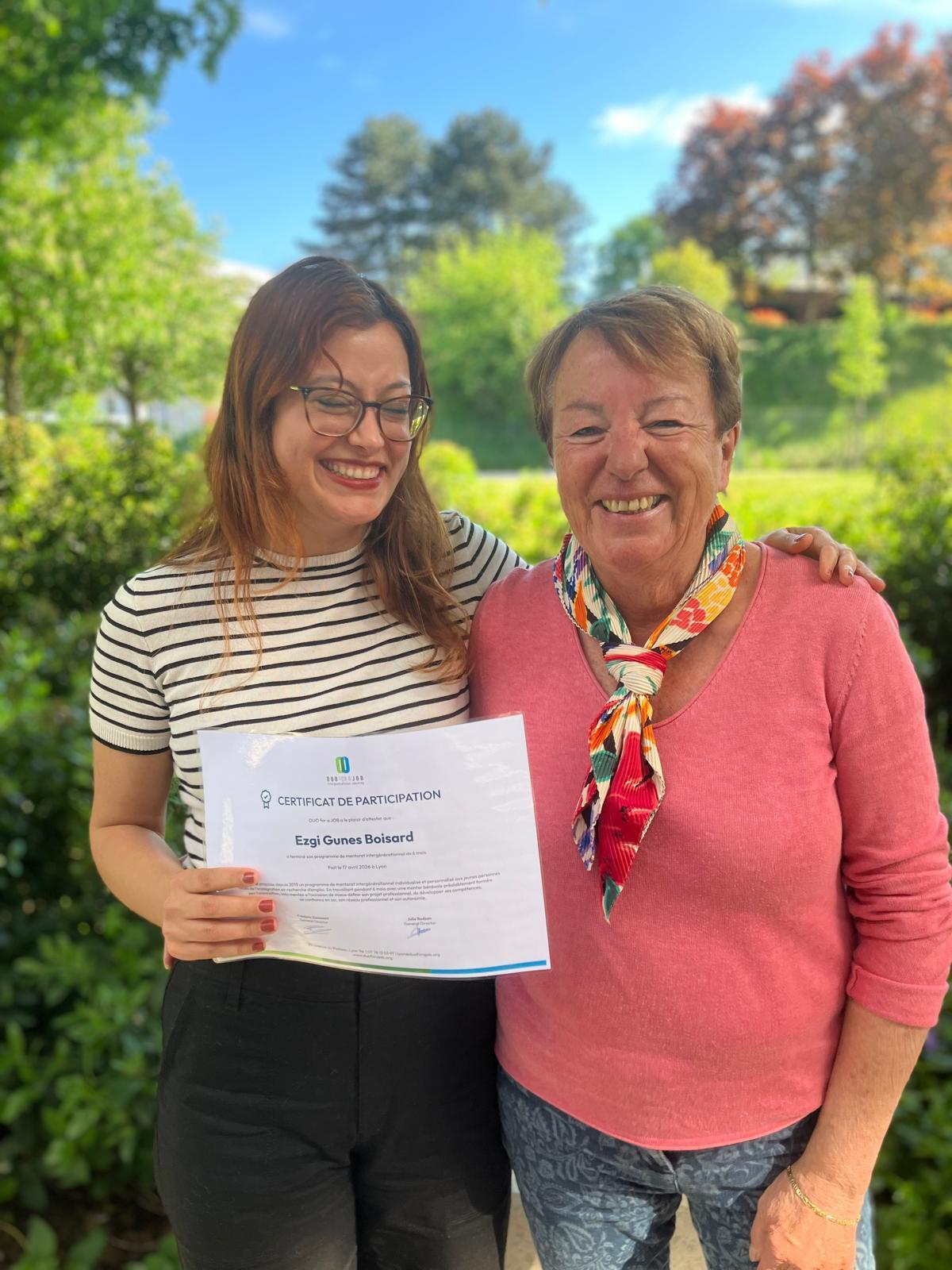
Véronique and Najma, DUO for a JOB Lyon
In 2026, UN Women places International Women's Rights Day under the theme “Rights. Justice. Action. For ALL women and girls.” This triptych makes perfect sense for women with an immigration background: having rights is not enough if you don't have the means to exercise them. And these means often start with economic autonomy.
A successful job, training or professional project is the first stone of real emancipation. Earning your own money also allows you to decide freely about your life.
Intergenerational mentoring opens a door, creates a link and restores trust that is often eroded by years of administrative procedures, refusal or invisibility.
“By providing them with the tools to overcome employment barriers, mentors become the springboard these women need to become more independent, both in their professional and personal lives.” Prunelle Gorget, Director France — DUO for a JOB
Mentoring: a tool for deconstructing stereotypes
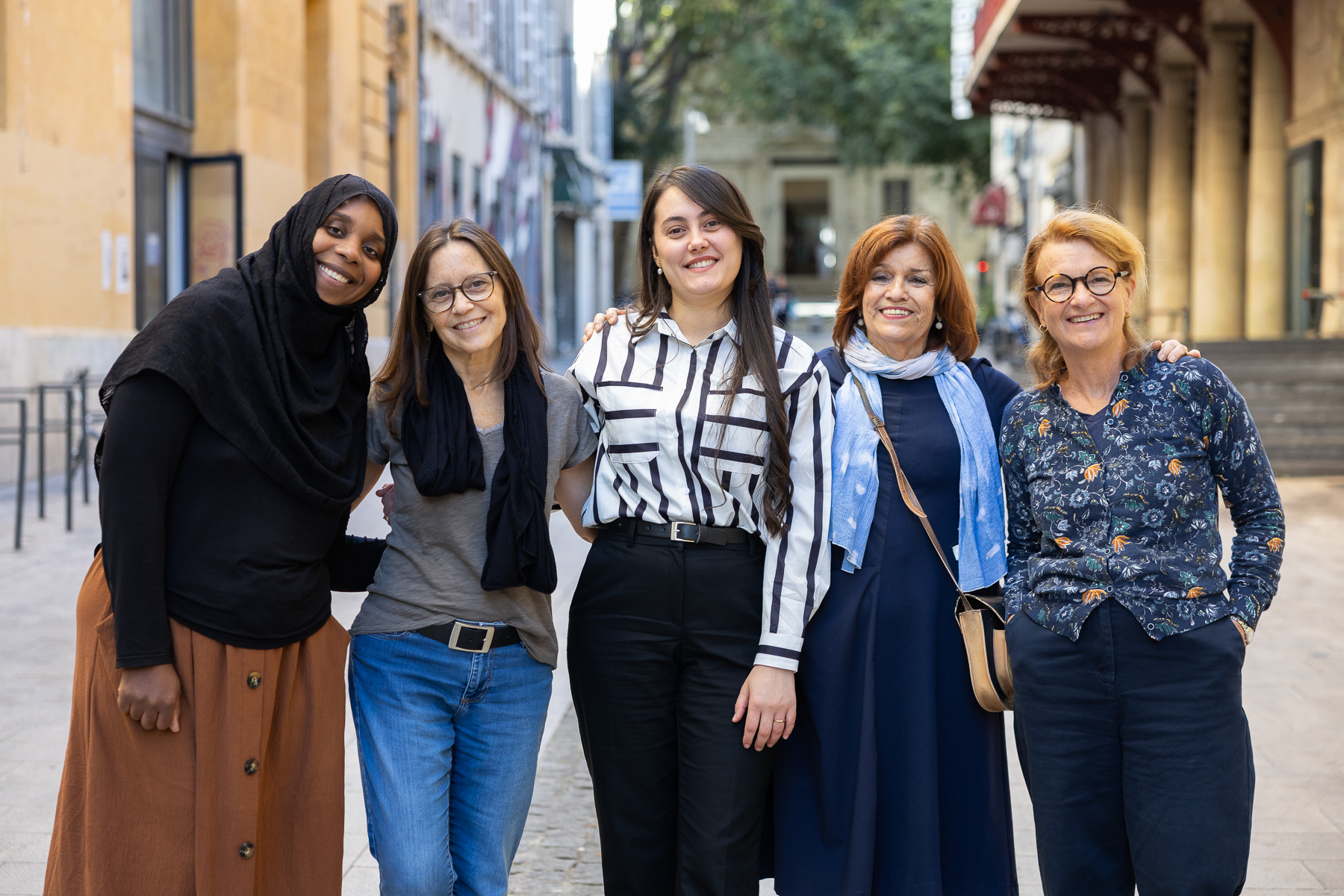
Floride and Sophie, DUO for a JOB in Paris
The DUO for a JOB program acts directly on discrimination based on gender and origin. For six months, he connects two people who everything seems to separate — age, background, culture — for weekly dates. This meeting space allows you to create a bond of trust and to work together towards concrete professional goals.
For young women, mentoring offers recognition of their skills and potential, regardless of their first name, accent or origin. It is a first step towards emancipation and self-confidence. The mentor accompanies, guides and shows that high professional ambitions are possible, while deconstructing the stereotypes that she may have internalized.
In 100% female duos, the mentor plays a particular role. She herself has navigated a professional world that is often not welcoming to women: gender bias, glass ceiling, mental load... She can share her experience, listen without judgment and support the young woman in her choices. This creates a safe space where young people can express themselves fully and project themselves into the professional future.
The experience is also rewarding for female mentors. They develop skills in listening, coaching and empathy, and often leave with a renewed look at diversity and female professional success. Many choose to commit themselves again for a second, third or even tenth duo.
Conclusion: from mentoring to law, from right to action The UN theme in 2026 “Rights. Justice. Action. For ALL women and girls.” cannot remain a slogan. It must be translated into concrete actions, into devices that make a difference in the real lives of women. Intergenerational mentoring, such as the DUO for a JOB practice, is one of these devices. It does not claim to solve structural inequalities alone. But it acts where everything starts: in human relationships, in renewed trust, in professional projection that is once again possible.
Economic autonomy is not a luxury. It is a right. And mentoring is one of the keys to making it accessible to those who need it most.
👉 Discover the story of Vanessa & Martine, an inspiring female duo



.png)