Work: A catalyst for empowerment and inclusion
There is something about our relationship with work that goes far beyond economic logic. Working means structuring your time, setting a direction, and becoming part of a collective. As Fatoumata, a young woman supported by Luc in Paris during her job search, puts it:
"For me, work contributes to happiness because it allows you to fulfill your potential and push your limits. You learn so many things little by little. It also helps build self-confidence, especially when you manage to reach certain goals."
Her words say it all: work is a vehicle for empowerment, a space for learning and personal achievement.
And young people largely share this conviction. Far from the caricatures of a disengaged generation, a France Stratégie study (2025) reveals that nearly 75% of 18–30 year olds say they would want to work even without economic necessity. What are they looking for above all? To feel useful and to contribute to something bigger than themselves.
Several studies show that employment plays a key role in well-being. According to the OECD, having a job and good working conditions has a significant impact on life satisfaction, comparable to a notable increase in income (source: OECD 2023 )
Finding your place in the job market
Despite this aspiration, entering the workforce remains a journey filled with pitfalls, particularly for young people from immigrant backgrounds. From deciphering recruitment codes and getting foreign degrees recognized to persistent discrimination, the obstacles are numerous.
Among young active people aged 15 to 24 with an immigrant background, 33% of women and 27% of men are unemployed, which is significantly higher than for young women and men without a migration background (18%) (source: INSEE, 2023 )
According to the Defender of Rights (2025): candidates perceived as Black or North African are 2.8 times more likely to face discrimination than those perceived as white. Women and 18-24 year olds are also on the front lines.
Yet, these young people possess exceptional resources and rich backgrounds, often forged through resilience and adaptability. Their linguistic, cultural, and interpersonal skills are true assets. What they often lack? Supportive guidance to help them open that first door. That is exactly what we offer at DUO for a JOB.
The power of mentoring
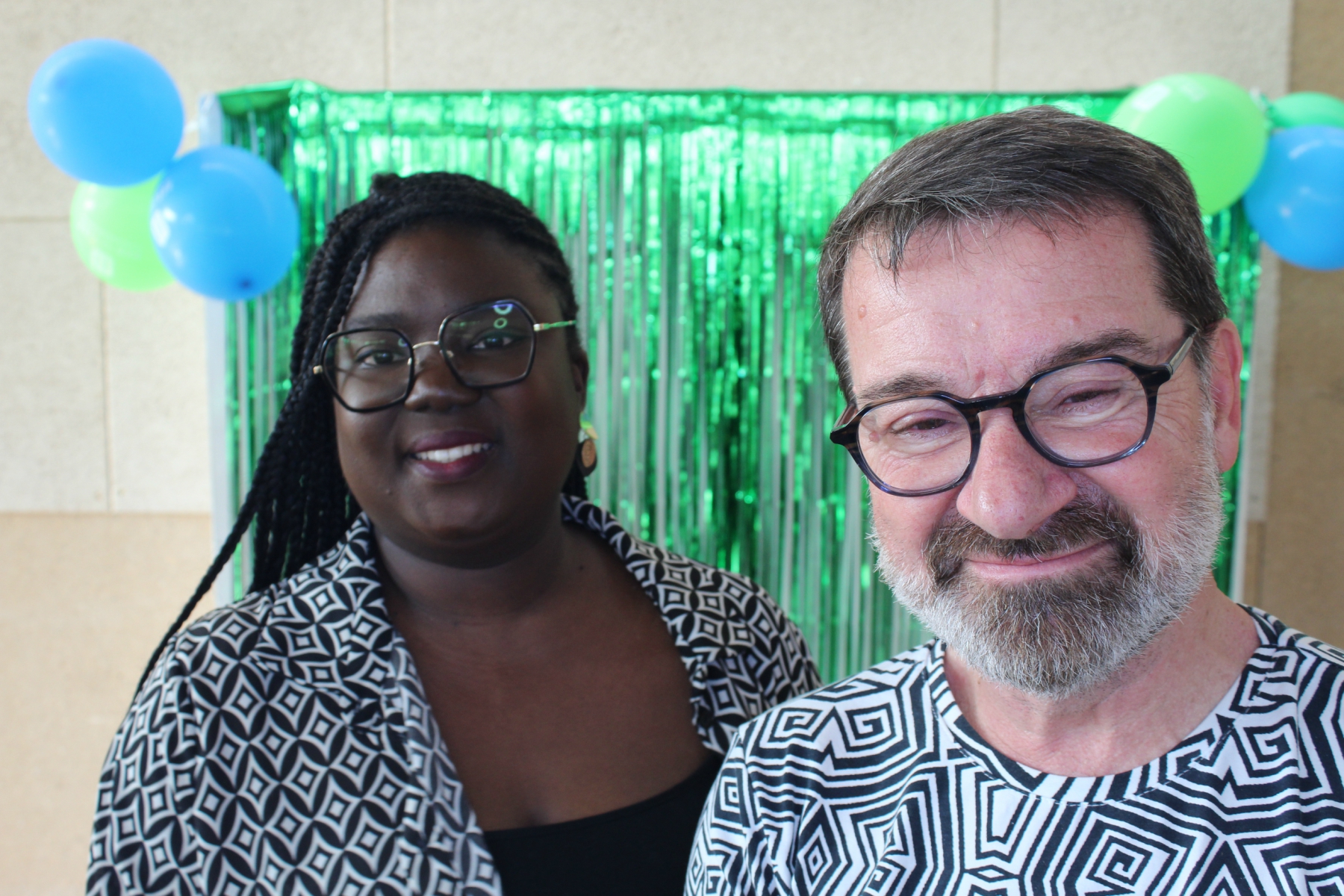
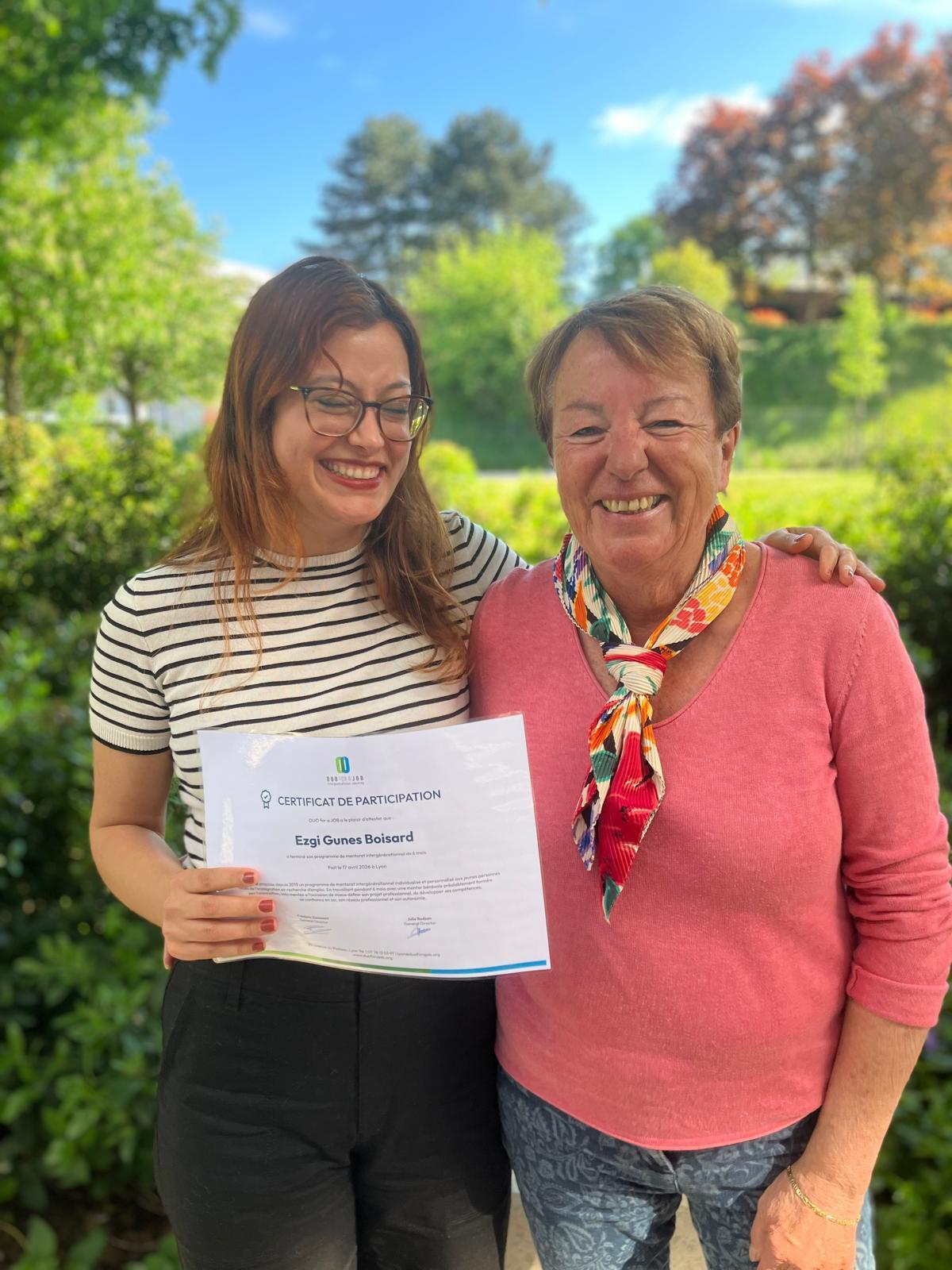
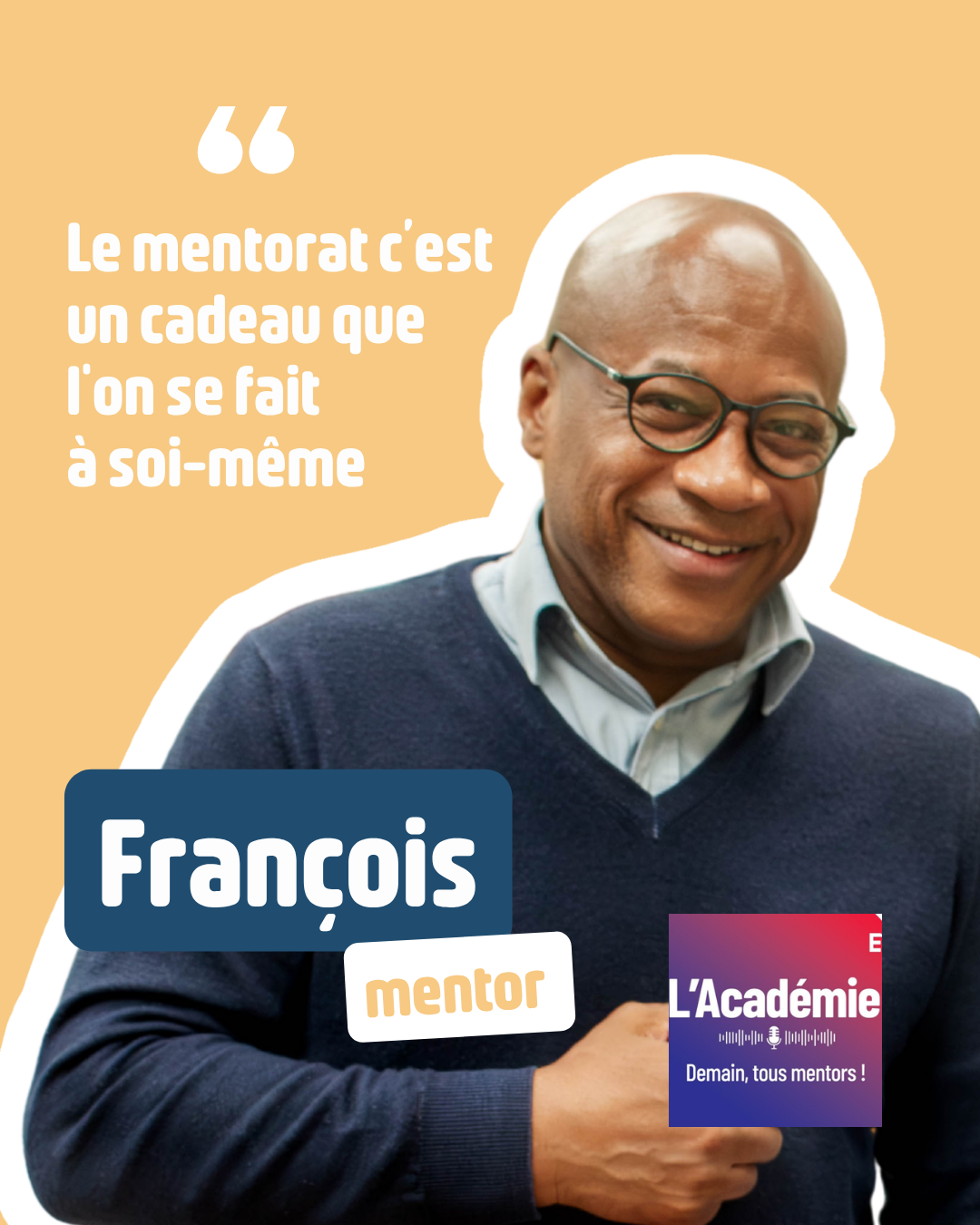
DUO for a JOB creates pairings between a young job seeker and an experienced mentor over the age of 50. This tailored support, rooted in the reality of each individual's journey, helps them regain confidence, clarify their career goals, prepare for interviews, and learn how to showcase their life experiences.
Having a mentor means benefiting from the perspective and experience of someone who has already navigated the various stages of their professional life. Far from the "out-of-touch boomer" cliché, nearly half of our mentors are still active in the workforce and come from all walks of life: healthcare, retail, engineering, communications, education, and more. Trained for four days in active listening, coaching, and the specific needs of individuals from immigrant backgrounds, they operate within a structured framework: a coordinator follows them throughout the process, a resource platform provides support, and peer-to-peer exchanges punctuate their commitment.
This relationship is a two-way street. While young people gain confidence and clarity (with 70% achieving positive outcomes in employment or training), mentors find new meaning in their careers or retirement. They develop new skills, open themselves up to new social realities, and actively contribute to social cohesion.
Working together for a more inclusive society
DUO for a JOB works to ensure that work is a right, because having a job is more than just a contract: it is a way to exist, to feel recognized, and to contribute to society. And because no one should be excluded from this right due to their age, accent, or background.
Beyond access to employment, this is a project for society as a whole. It is about enabling every young person to find their place, strengthening the bond between generations, restoring the value of mentorship, and building a more equitable future.
Discover our 2025 annual report to see how far we've come.



.png)




.jpg)